Fire Damage Restoration · Charlotte, NC
Fire Damage Restoration in Charlotte
Plan board up, fire repair, smoke and soot cleanup, odor treatment, contents handling, and a documented restoration scope for a Charlotte property.
Fire damage repair, smoke damage cleanup, soot removal, and smoke odor treatment sit inside the same restoration scope. The documented damage determines the sequence.
Request fire damage help
Describe the property issue. An independent local provider may contact you after the request is reviewed.
What to do before provider contact
Four things that protect your home and your insurance claim in Charlotte.
- Don't re-enter until the fire department clears the structure
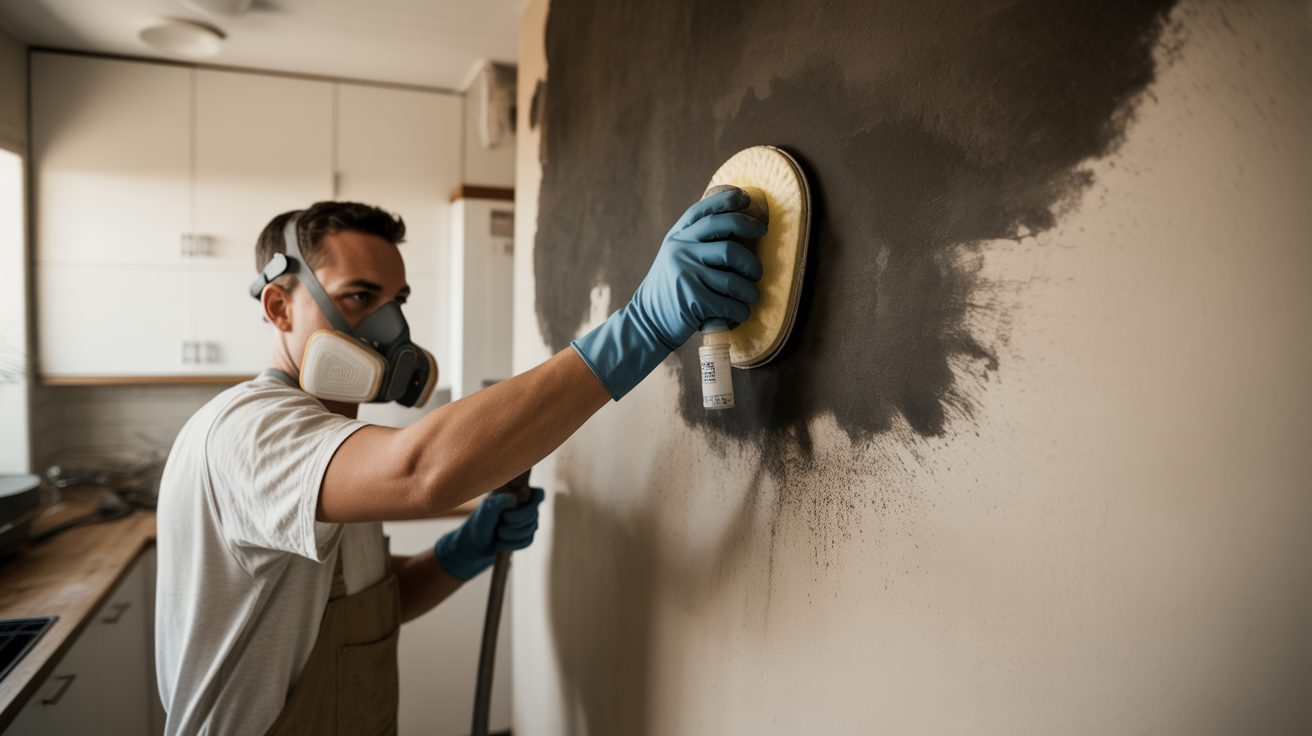
- Don't wipe soot from walls or fabrics — wrong cleaning sets stains permanently
- Ask for a copy of the fire report — your insurance claim will need it
- Start a list of damaged items from memory now, while it's fresh
Fire repair, smoke cleanup, and soot removal in Charlotte
A fire restoration scope should separate immediate property protection from residue cleaning, odor work, contents handling, and building repair.
Secure and document the loss
After the fire department releases the property, document openings, water used during suppression, damaged utilities, affected rooms, and contents before temporary board up or tarping changes the scene.
Classify smoke and soot residue
Protein residue, wet synthetic smoke, and dry smoke respond to different cleaning methods. Test surfaces before wiping broadly because the wrong chemistry can spread residue or set staining.
Separate cleaning from reconstruction
Odor treatment, HVAC evaluation, contents cleaning, selective demolition, drying, and structural repairs should appear as distinct line items. That makes competing scopes easier to compare.
Ask the responding provider to identify residue type, affected materials, cleaning tests, containment, equipment, repair limits, exclusions, and the records delivered at closeout.
How the process works
A written service scope should separate and document each stage.
Secure the property
Board up, roof covering, and site security should be scoped after the property is released and safety conditions are known.
Assess smoke & soot
Soot type (protein, synthetic, wood) determines the cleaning chemistry — getting this wrong makes damage permanent.
Clean & deodorize
Structural cleaning, contents pack-out where needed, and odor elimination with hydroxyl or ozone treatment.
Rebuild
Separate demolition, drying, cleaning, and structural repair so responsibility and exclusions are explicit.
Soot isn't one thing — and wrong cleaning makes it permanent
The residue type decides the cleaning chemistry. This is the difference between restored and repainted-forever.
| Soot type | Typical source | Cleaning approach |
|---|---|---|
| Protein residue | Kitchen and grease fires | Enzyme cleaners — nearly invisible but intense odor |
| Wet smoke (synthetic) | Smoldering, low-heat plastic fires | Smeary residue; dry sponging sets it — solvents required |
| Dry smoke (natural) | Fast, high-heat wood and paper fires | Powdery residue; HEPA vacuum and dry-clean first |
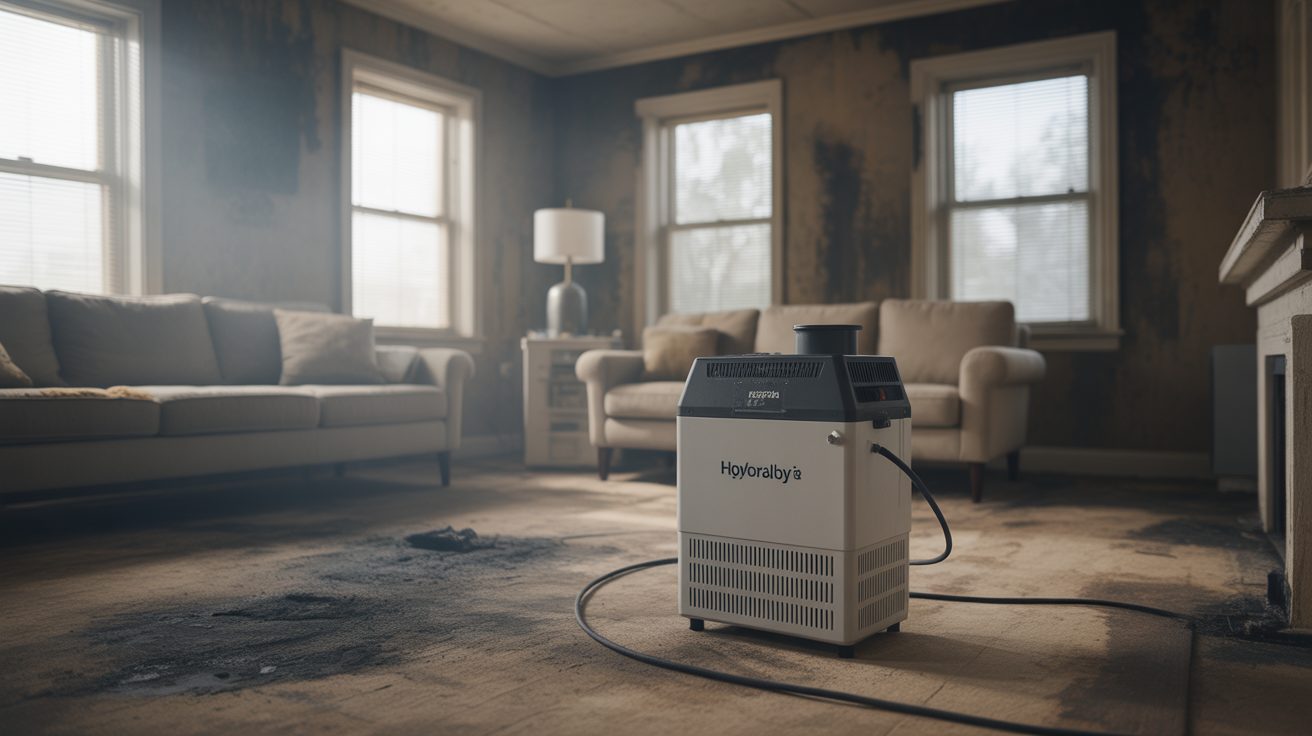
Ask the provider which published fire and smoke restoration standards guide the scope, contents work, and odor protocol.
What fire and smoke damage costs in Charlotte
Planning ranges are not bids. Ask the provider for a written, itemized scope before authorizing work.
| Scope factor | What to confirm in writing |
|---|---|
| Damage and affected materials | Areas, quantities, and work limits |
| Equipment and monitoring | Units, days, readings, and completion standard |
| Repairs and exclusions | What is included, excluded, and subject to change |
Service scope options
Fire Damage Restoration
After the fire trucks leave, the clock starts. Board-up, smoke and soot removal, and a documented path back to…
Water Damage Restoration
Standing water requires a scope covering extraction, moisture mapping, drying, contamination controls, and closeout records.
Mold Remediation
Musty odor, visible growth, or a failed inspection requires a scope covering moisture control, containment, removal, and appropriate verification.
Will insurance cover it?
The three answers that matter for fire and smoke damage claims in North Carolina.
Usually covered
Sudden, accidental events — burst pipes, appliance failures, fire and smoke damage, and mold caused directly by a covered water event.
Usually excluded
Gradual leaks, deferred maintenance, and rising floodwater — check your policy; NFIP flood coverage.
Records that support review
Photo logs, moisture readings, and itemized scopes support review. Ask the provider to build that record from the first visit.
Built for Charlotte
From Uptown high-rises to older Plaza Midwood bungalows, Charlotte fire damage ranges from grease fires to lightning strikes during summer storms — and the first 48 hours decide what's salvageable.
Requests may be submitted for properties in Charlotte and the surrounding communities of Matthews, Concord, Huntersville, Gastonia, Mint Hill and Pineville.

Common questions
Smoke & odorThe fire was small — why does the whole house smell?
Smoke behaves like a gas and penetrates everywhere air goes: ducts, wall cavities, closets. Odor that isn't professionally neutralized can persist for years.
InsuranceDoes insurance cover fire damage?
Coverage depends on the cause and policy. Document the damage, contact the insurer, and request a detailed provider scope; no contractor can guarantee a claim outcome.
ContentsCan my belongings be saved?
Salvageability depends on material, residue, heat, water exposure, contamination, and cleaning tests. Ask for itemized keep, clean, and discard decisions before authorizing contents work.
TimelineHow long does fire restoration take?
Timing depends on scope, access, materials, readings, permits, and repairs. The provider should confirm the schedule and completion criteria in writing.